Navigating the Path to Accessing Retatrutide: Your Comprehensive Guide
Retatrutide has been getting a lot of attention lately, especially among people looking for new ways to manage their weight. It’s still early days for...

When it comes to using BPC-157, people often wonder about the best way to take it. There’s a lot of talk about BPC-157 oral versus injection, and it can get confusing. Both methods have their own points, and what works best really depends on what you’re trying to achieve. This article breaks down the main differences so you can make a more informed choice about how to use BPC-157 for your needs.
When we talk about BPC-157, how it gets into the body really matters. It’s not a one-size-fits-all situation. The way you take it can change what it does and how well it works. Think of it like different ways to get medicine to a specific spot – some ways are better for reaching everywhere, while others are best for hitting just one area. This peptide is no different. We’ve seen it used in a few main ways, and each has its own set of pros and cons.
For a long time, peptides, in general, have been tricky to administer. Many of them break down easily in the digestive system, meaning if you swallow them, they might just get destroyed by stomach acid before they can do anything useful. This is why injections have historically been the go-to method for most peptide therapies. It bypasses the digestive tract entirely, getting the peptide straight into the bloodstream where it can travel throughout the body. This direct route usually means higher concentrations reach their targets, making injections the standard for many treatments.
Lately, though, there’s been some exciting progress in making peptides, including BPC-157, more effective when taken orally. Scientists have been working on ways to protect these delicate molecules from stomach acid and digestive enzymes. Some newer formulations are designed to survive the journey through the gut and get absorbed into the system. This is a big deal because it opens up possibilities for easier, needle-free administration. While injections might still be considered the gold standard for certain applications, these oral advancements are changing the game, especially for conditions affecting the digestive system. The development of specific oral forms, like BPC-157 arginate, has shown promise in significantly boosting oral absorption rates, potentially rivaling injection methods for certain benefits [061d].
The effectiveness of BPC-157 is closely tied to how it’s administered. While injections offer a direct path for systemic effects, advancements in oral formulations are making gut-focused treatments more accessible without needles. Understanding these differences is key to choosing the right approach for your needs.
When it comes to getting the most out of BPC-157, especially for recovery and repair, the injectable route is generally considered the top choice. This method offers the highest bioavailability, meaning more of the peptide actually gets into your system and can do its work. Because it bypasses the digestive system, it’s not broken down by stomach acids or enzymes. This allows for direct entry into the bloodstream, leading to systemic distribution throughout the body. This direct and efficient delivery is key for widespread healing effects.
Injectable BPC-157 shines when you need to target specific areas for healing. Whether it’s a strained muscle, a torn ligament, or a nagging tendon issue, injections can be administered directly into or near the affected site. This localized approach means the peptide can concentrate its regenerative properties right where they’re needed most. Studies, particularly in animal models, have shown significant acceleration in the healing of tissues like tendons and ligaments with this method. Some human data also suggests positive outcomes for joint pain following injections [8990].
Much of the research that has built the foundation for understanding BPC-157’s capabilities has utilized injectable forms. These preclinical studies, often conducted on animals, have consistently demonstrated the peptide’s ability to promote healing across various tissues. They’ve looked at everything from bone fractures and muscle tears to gut lining regeneration and even nerve repair. While more human trials are always needed, the existing body of research provides a strong basis for why injectables are favored for serious recovery goals [d919].
Here’s a quick look at why injectables stand out:
When you’re dealing with a significant injury or aiming for peak physical performance, the precision and potency offered by injectable BPC-157 make it the preferred option for many. It’s about getting the peptide where it needs to go, as effectively as possible, to support the body’s natural healing processes.
When we talk about BPC-157, its connection to the digestive system is pretty significant. Originally developed as an anti-ulcer agent, this peptide has shown a real knack for protecting and healing the gut lining. Studies suggest it can help stabilize the gastrointestinal tract, which is great news for anyone dealing with issues like inflammatory bowel disease or general gut irritation. It seems to work by promoting the repair of lesions and reducing inflammation right where it matters. This makes oral BPC-157 a particularly interesting option for targeting digestive health concerns.
How you take oral BPC-157 can make a difference. While many people think of capsules or liquids swallowed directly, there’s also the sublingual route, where you hold it under your tongue. This method is sometimes thought to allow for quicker absorption into the bloodstream, bypassing some of the digestive processes. However, direct oral consumption, like through capsules, is also studied for its benefits, especially for the gut itself. The research indicates that oral administration can benefit the entire GI tract due to the peptide’s stability. For instance, clinical trials looking at ulcerative colitis have used oral BPC-157 exclusively.
Getting BPC-157 into your system effectively when taking it orally involves a few factors. While it’s known for its stability, especially in oral forms, the exact amount that gets absorbed and used by the body can vary. Some studies point out that the effects might depend on how you take it and the dose. For general gut health, oral intake seems quite effective. However, if the goal is to affect other parts of the body, like the brain or muscles, the absorption rate and whether it reaches those areas in sufficient amounts become more important questions. It’s a bit of a balancing act, and the intended use really guides the best approach.
The development of stable, orally active forms of BPC-157 has opened up new avenues for research, particularly concerning its impact on the digestive system. This advancement is significant because it offers a more convenient administration route while potentially maintaining therapeutic benefits for gut-related conditions.
Let’s face it, nobody really enjoys getting shots. For many, the idea of injecting anything into their body, even for potential health benefits, is a major hurdle. This is where BPC-157 capsules really shine. They offer a way to take this compound without any needles at all. You just swallow a pill, much like any other supplement you might take. It’s simple, familiar, and frankly, a lot less intimidating for most people. This ease of use makes it much easier to stick with a regimen, which is a big deal when you’re trying to achieve certain health outcomes. Plus, they’re super easy to travel with and don’t need to be kept in the fridge, unlike some other peptide forms.
However, this convenience comes with a significant trade-off: bioavailability. When you take BPC-157 orally in a standard capsule, it has to go through your digestive system. Stomach acid and enzymes can break down a lot of the peptide before it even gets a chance to be absorbed into your bloodstream. This means that a much smaller amount of the active compound actually makes it to where it needs to go compared to an injection. Because of this, you might need higher doses or more frequent servings to get a similar effect, and even then, it might not be as potent. It’s a bit of a gamble, really. The research landscape for oral BPC-157 is still developing, and many products on the market might not even contain the amount of peptide they claim, or worse, could be contaminated. It’s really important to find a reputable vendor that provides third-party testing to verify purity and dosage.
So, who is BPC-157 in capsule form best suited for? It’s generally considered more effective for issues directly related to the gut. If you’re looking to support your digestive tract, help with intestinal permeability, or reduce inflammation in your gut lining, capsules might be a good option. They can also be a good choice for individuals who absolutely cannot or will not use injections but still want to explore the potential benefits of BPC-157. For those looking for systemic effects, like muscle or tendon repair, injections are typically seen as the more reliable route, offering highest bioavailability and systemic benefits. Capsules might be more of a secondary choice in those scenarios, or for casual users who prioritize ease of use over maximum potency.
The transition from injectable to oral forms of peptides like BPC-157 represents a significant shift, driven by the desire for greater user compliance and accessibility. While oral formulations offer undeniable convenience, their effectiveness is often tempered by the challenges of gastrointestinal degradation and variable absorption rates. This makes careful consideration of the intended therapeutic goal paramount when choosing between administration routes.
When we talk about how well a substance gets into your system and does its job, bioavailability is the key word. For BPC-157, this is where the biggest differences between oral and injectable forms really show up. Traditionally, peptides have been thought to work best when injected because they can break down easily in the stomach. Injections bypass the digestive system entirely, meaning more of the peptide gets into your bloodstream. This is why injections have often been considered the gold standard for getting the most out of a peptide like BPC-157, especially if you’re looking for widespread effects throughout the body. Early research, mostly in animals, pointed towards injections being the most effective way to get BPC-157 where it needs to go for things like muscle and tendon repair. However, things are getting more interesting with newer oral formulations. Some research suggests that specific oral forms, like BPC-157 arginate, have significantly improved oral bioavailability, potentially rivaling injections for certain uses. This development is changing how we think about peptide delivery.
Most of the studies looking into BPC-157’s effects have used injections or topical applications. For instance, studies on wound healing and tendon repair in animal models often involved direct injection or applying the peptide to the affected area. These studies generally show positive results, suggesting that when BPC-157 reaches the target site directly or in high concentrations, it can promote healing. For example, research has shown that BPC-157 can speed up the healing of Achilles tendons in rats when applied topically. Similarly, studies on spinal cord injuries in rats demonstrated functional recovery after a single injection. While these findings are promising, it’s important to remember they are primarily from animal studies. The data on human use is still limited, and much of the research focuses on the injectable form because it’s easier to control the dosage and ensure it reaches the bloodstream effectively. Some studies have explored oral administration in drinking water for rats, showing some effectiveness, but the systemic absorption is generally considered lower compared to injections. The development of more stable oral forms is a newer area of investigation.
So, which way should you go? It really depends on what you’re trying to achieve. If your main goal is serious injury recovery, like healing torn ligaments, damaged muscles, or tendons, the injectable form is likely your best bet. It provides the highest bioavailability and can be administered in a way that targets specific areas, which is backed by a good amount of animal research. Think of it as the most direct route for significant tissue repair. On the other hand, if you’re focused on digestive health – things like stomach ulcers, IBS, or general gut lining repair – oral BPC-157 might be more suitable. While its systemic absorption might be lower, it can act more locally within the gastrointestinal tract. This makes it a good option for gut-specific issues. For those who absolutely want to avoid needles, capsules offer convenience, but you might be trading off some effectiveness. It’s a trade-off between ease of use and the potential for maximum therapeutic impact. For anyone looking for high-purity research peptides, exploring options from reputable suppliers is a good idea [27d3].
The choice between oral and injectable BPC-157 isn’t a simple one-size-fits-all answer. It’s about matching the administration route to your specific health goals and understanding the trade-offs in how the peptide is absorbed and utilized by the body. While injections offer superior bioavailability for systemic effects, newer oral formulations are showing promise, particularly for gut health.
Ultimately, the decision should be informed by your individual needs and what the current research suggests about BPC-157’s regenerative and cytoprotective properties [4883].
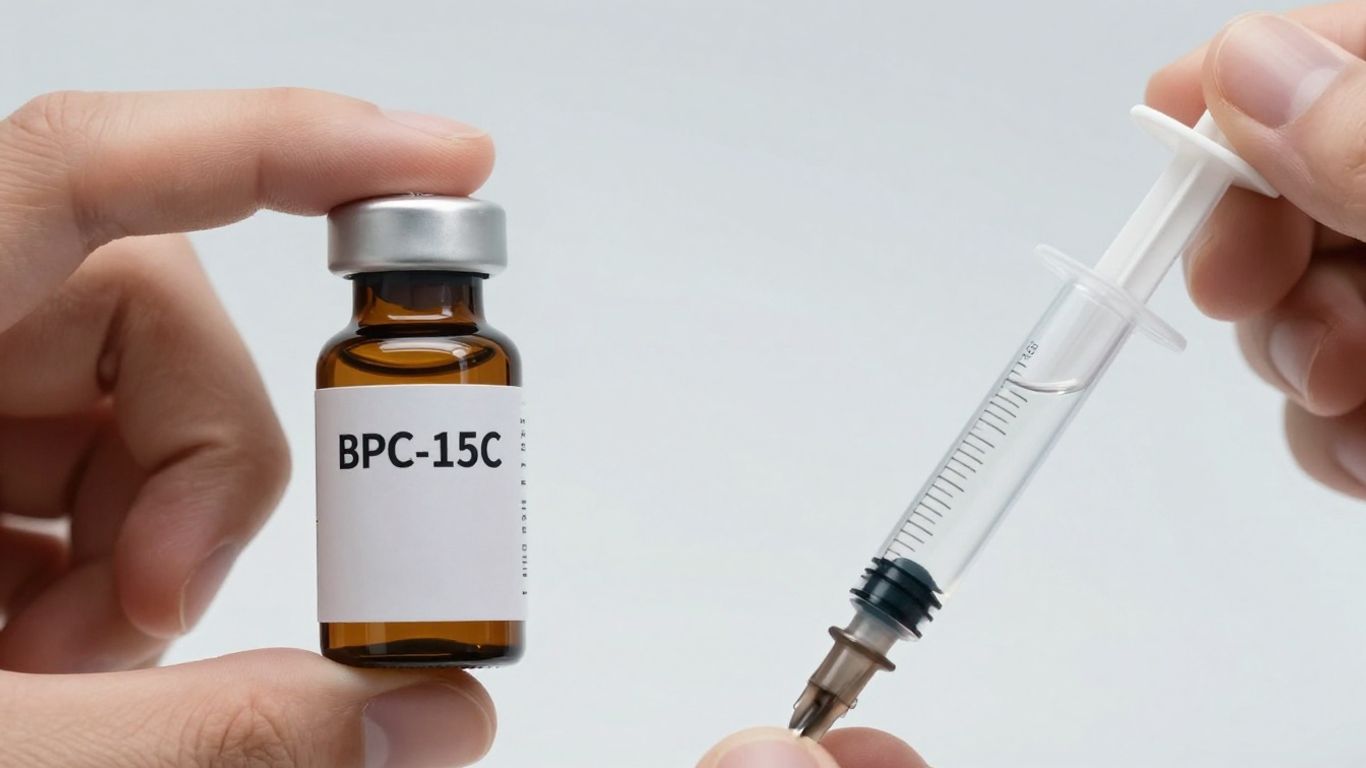
Figuring out the right amount of BPC-157 and how to take it can feel a bit like guesswork, since there aren’t official human guidelines yet. Most of what we know comes from animal studies and early human trials, which often used different doses and methods. For injections, common doses in research have ranged from 10 mcg to 200 mcg, depending on what was being studied. Oral doses have also varied widely. It’s generally advised to start low and see how your body responds. Remember, BPC-157 is currently sold for research purposes only, so you won’t find standard dosing protocols like you would for approved medications.
The effectiveness of BPC-157 can really depend on how you take it and how much you use. What works for gut issues might not be the best approach for a tendon injury. It’s a bit of a balancing act, and what’s right for one person might not be right for another.
Proper storage is super important to keep BPC-157 stable and effective. Most forms, especially the lyophilized (freeze-dried) powder, need to be kept cold. Once reconstituted with bacteriostatic water, it should be refrigerated. It’s best to store it in a dark, cool place, away from direct light and heat. If you’re using a liquid solution, it’s a good idea to divide it into smaller, single-use portions to avoid repeated warming and cooling, which can degrade the peptide. Always check the manufacturer’s recommendations for specific storage instructions, as these can vary.
This is probably one of the trickiest parts. Because BPC-157 isn’t approved by the FDA for human use, it exists in a bit of a legal gray area. This means quality can be all over the place. You might find products that are underdosed, contaminated, or simply don’t contain what they claim. It’s vital to buy from vendors who provide third-party testing results and a certificate of analysis (CoA) for their products. Look for vendors who are transparent about their sourcing and manufacturing processes. Be wary of overly cheap products or those making outlandish claims. Researching vendors and reading reviews from other users can help you find a more reliable source for your research peptides.
Common Forms and Their Handling:
Potential Side Effects to Be Aware Of:
It’s generally recommended to cycle off BPC-157 after a period, typically 4-6 weeks, to minimize any unknown long-term effects, as extensive human studies are still lacking.
Thinking about using BPC-157? It’s smart to know the practical side of things before you start. Understanding how it works and what to expect can make a big difference in your experience. For more details on how to use BPC-157 safely and effectively, check out our website.
So, we’ve looked at how BPC-157 can be used, either by injection or taken orally. It seems like injections have been the go-to for a while, especially for serious healing like with muscles and tendons, because it gets into the body really well. But, things are changing. New ways of making oral BPC-157 mean it might be just as good, especially for gut issues. Capsules are out there too, and they’re super convenient if you hate needles, but honestly, they might not be as strong. The main thing is, what works best really depends on what you’re trying to fix. For big injuries, injections seem to be the top pick based on what we know. If your stomach or gut is the problem, oral forms might be the way to go. And for just trying things out or if needles are a no-go, capsules are an option, just know they might not give you the same punch. Always remember, most of this research is still pretty new, and talking to a doctor is a smart move before you start anything.
BPC-157 is a special compound that scientists are studying for its ability to help the body heal. It’s often given through shots, like in a doctor’s office, or sometimes as a liquid you can swallow or hold under your tongue. There are also pills, but those might not work as well.
Shots are usually the most effective way to get BPC-157 into your body. This means it can travel everywhere and help with healing in many different places. Most of the early studies that showed BPC-157 worked well used injections.
Yes, taking BPC-157 by mouth, especially as a liquid, seems to be good for the stomach and gut. It might help repair the lining of your intestines and reduce issues like stomach sores or general gut discomfort.
Pills are the easiest to take, like regular vitamins, and don’t require needles. However, they might not be as strong because the stomach’s strong juices can break them down before they can work properly. So, while convenient, they might not give you the best results.
Yes, it does matter. If you’re trying to heal a muscle or tendon injury, shots are usually recommended because they can go right to the spot. If you have gut problems, taking it by mouth might be more helpful because it can work directly in your digestive system.
Most studies so far have been on animals, so we don’t have a lot of information about how safe it is for people, especially over a long time. Some studies in people have shown it to be safe for stomach issues, but side effects like feeling a bit sick or tired can happen. It’s important to get it from a trusted source.
Supps Haven supplies selected materials solely for legitimate laboratory and in-vitro research by appropriately qualified purchasers. Materials are not for human or veterinary use, administration, consumption, diagnosis, treatment, or therapeutic application. By continuing, you confirm that you are at least 18 years old, are acting for a legitimate research purpose, and have read the Terms, Privacy Policy, and Shipping & Returns Policy.
Exit website by